


Why Heat Pumps Are a Smart Investment for Pacific Northwest Homeowners
Heat pump benefits for pacific northwest homeowners are substantial — and if you want the short version, here it is:
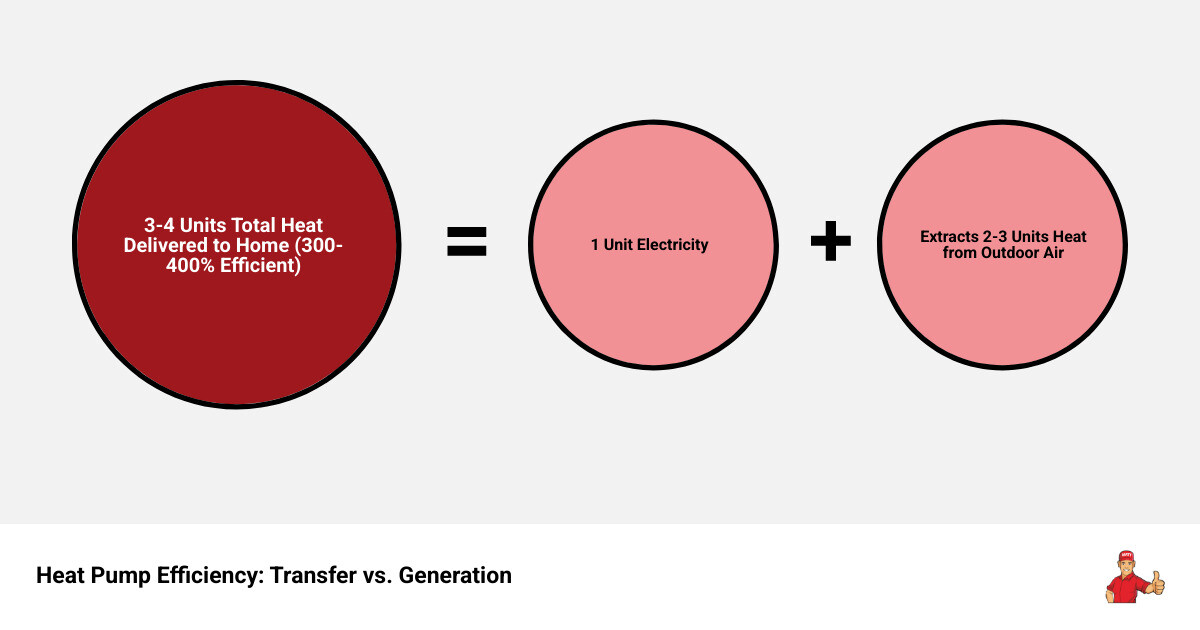
- Energy efficiency: Heat pumps deliver 2–3 units of heat for every unit of electricity used, making them up to 3–5x more efficient than electric furnaces or baseboard heaters
- Year-round comfort: One system handles both heating in winter and cooling in summer
- Lower energy bills: Homeowners switching from electric resistance or gas heating can see energy savings of 30–60% annually
- Cleaner home: No combustion means no carbon monoxide risk, plus built-in air filtration
- Greener footprint: Paired with the PNW’s largely carbon-neutral electric grid, switching can reduce home carbon emissions by 80–100%
- Financial incentives: Federal tax credits, utility rebates, and state programs significantly offset upfront costs
The Pacific Northwest gets a reputation for grey skies and drizzle — but what most homeowners don’t realize is that this mild, maritime climate is practically purpose-built for heat pump technology. Mild winters, moderate summers, and a clean electrical grid create conditions where heat pumps run at peak efficiency for most of the year, quietly and reliably keeping your home comfortable while shrinking your energy bills. Whether your home has existing ductwork or not, whether you’re in Seattle, Tacoma, or the Puget Sound region, there’s likely a heat pump solution that fits your situation better than what you’re running right now.
I’m Daniel Allred, co-founder of Allred Heating Cooling & Electric, and after more than a decade of installing and servicing heat pump systems across the Puget Sound region, I’ve seen how the unique PNW climate makes these systems an exceptional fit — delivering the heat pump benefits for pacific northwest homeowners that translate to real comfort and real savings. Read on for a complete breakdown of everything you need to know before making your decision.
The Perfect Match: Why the PNW Climate Maximizes Efficiency
When we talk about HVAC performance, the “sweet spot” is a climate that stays relatively moderate. The Pacific Northwest, with our famous maritime climate, is exactly that. Unlike the Midwest, where temperatures might swing from -20°F to 100°F, our region spends the vast majority of the year between 35°F and 75°F.
Heat pumps thrive here because they don’t actually “create” heat through combustion or high-resistance electric coils. Instead, they use refrigeration technology—the same tech in your kitchen fridge, just reversed—to move heat from one place to another. Even when it feels chilly outside, there is still thermal energy in the air. A heat pump extracts that heat and pumps it into your home. Because our winters are generally mild, the system doesn’t have to work nearly as hard as it would in a sub-arctic environment, allowing it to maintain incredible efficiency levels.
Furthermore, our high humidity can actually be a benefit for heat transfer, though it requires a system that can manage moisture. Modern heat pumps are masters of dehumidification, ensuring that while it might be “drizzly” outside, your indoor air remains crisp, dry, and perfectly tempered.
Heat Pump Benefits for Pacific Northwest Homeowners in Winter
One of the most common myths we hear in Auburn or Puyallup is that heat pumps can’t handle a “real” winter. That might have been true in the 1980s, but as of April 2026, the technology has leaped forward. Modern systems utilize inverter compressors, which act like a dimmer switch rather than an on/off light. They can ramp up or down to provide exactly the amount of heat needed, rather than blasting at 100% and then shutting off.
For those curious about the specifics, there are Five Reasons You Need To Get A Heat Pump that go beyond just basic warmth. Cold-climate performance standards now ensure that high-quality units can extract heat even when temperatures dip well below freezing. In fact, many of the systems we install are rated to provide 100% of their heating capacity down to 5°F, which covers nearly every winter night we experience in the Puget Sound.
Summer Cooling and Dehumidification
While we used to joke that “summer starts on July 5th” in Washington, the reality is that our summers are getting warmer. Many older homes in Kent or Redmond weren’t built with central air conditioning. This is where the dual-functionality of a heat pump shines.
By simply reversing the refrigerant flow, the system pulls heat out of your house and dumps it outside. It acts as a high-efficiency air conditioner, providing consistent temperatures across every room. Because it runs for longer, lower-intensity cycles, it is also much better at removing moisture from the air than a traditional “oversized” AC unit, preventing that “sticky” feeling on a humid August afternoon.
Unlocking the Full Heat Pump Benefits for Pacific Northwest Homeowners
The financial and environmental logic behind a heat pump is hard to argue with. In Washington, we are blessed with an incredibly clean energy grid. Seattle City Light, for instance, provides electricity that is essentially carbon-neutral. When you switch from a gas furnace—which burns fossil fuels inside your home—to a heat pump, you are making a massive dent in your household’s carbon footprint.
| Heating Method | Efficiency Rating | Energy Units Delivered per Unit Consumed |
|---|---|---|
| Electric Baseboard / Furnace | 100% | 1 Unit |
| Standard Gas Furnace | 80% – 95% | 0.8 – 0.95 Units |
| Air-Source Heat Pump | 200% – 400% | 2 – 4 Units |
By moving heat rather than burning fuel, you achieve “over 100% efficiency.” It sounds like magic, but it’s just physics. For every dollar you spend on electricity, you get three to four dollars’ worth of heat.
Maximizing Heat Pump Benefits for Pacific Northwest Homeowners via Incentives
We know that the upfront cost of a high-efficiency system is a major consideration. Fortunately, the current landscape of incentives makes 2026 one of the best times to upgrade. The Federal 25C tax credit, part of the Inflation Reduction Act, allows homeowners to claim a 30% tax credit on heat pump purchase and installation costs, up to $2,000 (and up to $3,200 annually when combined with other energy upgrades).
In addition to federal help, local utilities like Seattle City Light and Puget Sound Energy often offer substantial rebates. These can range from a few hundred to several thousand dollars depending on the efficiency of the unit and the type of heating system you are replacing. If you are in Oregon or SW Washington regions, the Energy Trust of Oregon offers similar incentives between $250 and $4,000.
Long-Term Financial Gains
The real “win” comes after the installation. Washington homeowners who switch from oil or old electric resistance heat often see their energy bills drop by 30% to 60%. Over the 15-to-20-year lifespan of a heat pump, those savings can easily pay for the entire system and then some. There is a significant furnace vs heat pump difference when it comes to operational costs; while a gas furnace might be cheaper to buy today, the monthly “rent” you pay to the gas company adds up, whereas a heat pump’s efficiency keeps those costs locked down.
Choosing the Right System for Your Home Layout
Not every home is built the same. A mid-century rambler in Issaquah has different needs than a brand-new townhome in Bellevue. The good news is that heat pumps are incredibly versatile.
Solutions for Homes With or Without Ductwork
If your home already has a duct system from an old furnace, a ducted heat pump (often called a unitary split system) is a straightforward swap. We simply replace the outdoor AC and indoor furnace with a heat pump and an air handler.
However, many classic PNW homes rely on baseboard heaters or wall heaters and have no ducts at all. In these cases, ductless mini-splits are the gold standard. These consist of a small outdoor unit connected to one or more indoor “heads” mounted on the wall or ceiling. They allow for “zoned control,” meaning you can keep the bedroom cool while leaving the guest room unheated, saving even more money. To help you decide, we have a detailed guide on furnace vs heat pump applications for different home types.
Advanced Technology for Extreme Weather
For those living in higher elevations or areas prone to sudden freezes, we recommend “Extended Capacity” or “Hyper-Heat” models. These units use variable-speed motors and advanced defrost cycles to ensure that ice doesn’t build up on the outdoor coils. They are specifically engineered to maintain high heat output even when the thermometer hits zero.
If your system ever struggles, it’s important to know the signs you need immediate heat pump repair, such as strange grinding noises or a sudden spike in your electric bill, which could indicate the backup heat is running more than it should.
Performance and Comfort: Heat Pumps vs. Traditional HVAC
Beyond the numbers on a bill, there is a “feel” to heat pump comfort that is hard to beat. Gas furnaces tend to provide “blasts” of hot air—the house gets hot, the furnace shuts off, the house cools down, and the cycle repeats. Heat pumps provide a steady, consistent stream of tempered air. It’s a more “gentle” heat that eliminates those annoying hot and cold spots.
Superior Air Quality and Safety
Because a heat pump doesn’t burn fuel, there is zero risk of carbon monoxide poisoning from the unit. This provides immense peace of mind for families in Snoqualmie or Maple Valley. Additionally, because heat pumps circulate air more consistently, their filtration systems are more effective at catching dust, pollen, and cedar spores—a must for allergy sufferers in our evergreen-heavy environment.
Reliability During PNW Cold Snaps
We often get asked if a heat pump will leave you shivering during a surprise snowstorm. The answer is a resounding no—provided the system is sized correctly. At Allred, we use professional load calculations to determine exactly how much heating power your specific home needs. We don’t guess based on square footage; we look at your insulation, your windows, and your layout. This ensures that even during a cold snap, your inverter technology keeps the house toasty without breaking a sweat.
Frequently Asked Questions about PNW Heat Pumps
Can a heat pump really handle freezing Washington temperatures?
Yes. Modern “cold-climate” heat pumps are designed to operate efficiently at temperatures as low as -15°F. While the PNW rarely sees anything below 10°F, these units have more than enough “headroom” to keep you warm during our coldest nights.
How do heat pumps improve indoor air quality compared to furnaces?
Heat pumps don’t use combustion, so they don’t dry out the air as aggressively as a gas furnace. They also feature advanced multi-stage filtration and provide constant air mixing, which prevents stagnant air and reduces the buildup of allergens and indoor pollutants.
What is the typical lifespan of a heat pump in a maritime climate?
With regular maintenance, a high-quality heat pump in our region typically lasts 15 to 20 years. Because our climate is relatively mild, the systems don’t experience the extreme “thermal shock” that units in harsher climates do, which helps preserve the compressor and coils.
Conclusion
The heat pump benefits for pacific northwest homeowners are clear: you get a system that is perfectly tuned to our mild, wet climate, providing the most efficient heating and cooling available today. From the massive reduction in carbon emissions to the significant monthly savings on your utility bills, it’s an upgrade that pays dividends for decades.
At Allred Heating Cooling Electric, we pride ourselves on being a family-oriented business that treats your home like our own. Whether you’re in Tacoma, Federal Way, or Issaquah, our expert technicians are ready to help you navigate rebates, tax credits, and system sizing. Don’t wait for your old furnace to fail in the middle of a November rainstorm.
Schedule your expert heat pump consultation today and let us help you find the perfect comfort solution for your Pacific Northwest home.
