


Is Your AC Trying to Tell You Something? Early Warning Signs That Save You Money
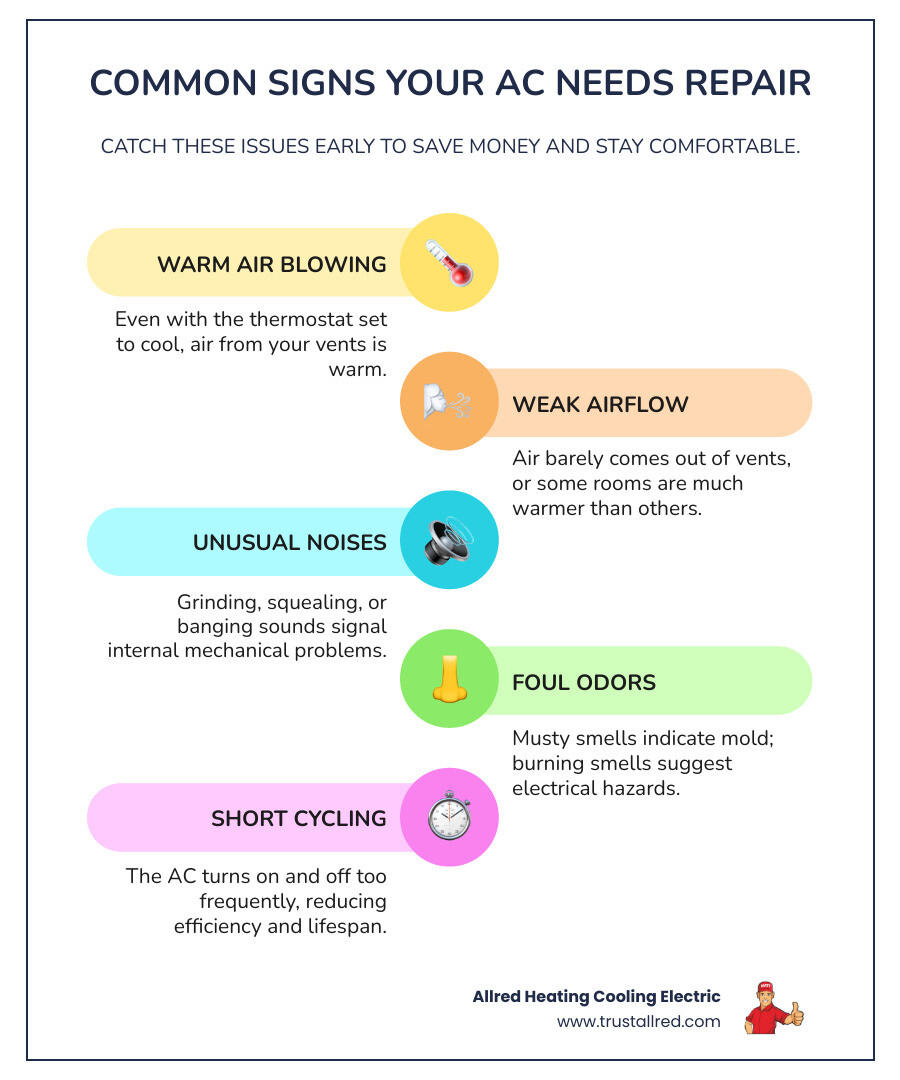
The signs your ac needs repair are often easy to miss — until your home feels like a sauna and your energy bill looks like a mortgage payment. Here’s a quick look at the most common warning signs:
- Warm air blowing from vents — even when the thermostat is set to cool
- Weak or uneven airflow — some rooms cool fine, others don’t
- Unusual noises — grinding, squealing, banging, or clicking
- Foul odors — musty smells suggest mold; burning smells suggest electrical trouble
- Short cycling — the system turns on and off too frequently
- Water leaks or moisture around the indoor unit
- High indoor humidity — the air feels sticky even with the AC running
- Unexplained spikes in energy bills — your system is working harder than it should
If any of these sound familiar, your AC is likely telling you it needs attention — and the sooner you act, the better.
Seattle summers may be shorter than in other parts of the country, but when the heat hits the Puget Sound region, a malfunctioning air conditioner is the last thing you want. The difference between catching a small problem early and ignoring it until it becomes a full breakdown can mean the difference between a simple service call and a costly emergency repair — or even a full system replacement. According to industry data, homeowners who address AC issues promptly save an average of $1,500 in repair costs and can extend their system’s life by five to seven years. That’s a compelling reason to pay attention to the warning signs your system is sending you right now.
I’m Daniel Allred, co-founder of Allred Heating, Cooling & Electric, and after years of diagnosing and repairing HVAC systems across the Puget Sound region, I’ve seen how recognizing the early signs your ac needs repair can prevent small issues from snowballing into expensive, stressful emergencies. In this guide, I’ll walk you through exactly what to look for so you can protect your home, your comfort, and your wallet before summer 2026 is in full swing.
8 Critical Signs Your AC Needs Repair Before Summer 2026
As we head into April 2026, many of our neighbors in Puyallup and Federal Way are starting to think about switching their systems from heating to cooling. This transition is the perfect time to Spot Common AC Repair Issues Early before the July heatwaves arrive.
1. Warm Air Blowing from Vents
If you’ve set your thermostat to “Cool” and the air coming out feels like a lukewarm breeze, you have a problem. This is one of the most obvious signs your ac needs repair. It could be something as simple as a blown fuse or as serious as a failing compressor or a refrigerant leak. Refrigerant is the “blood” of your AC; it absorbs heat from your indoor air. If levels are low, the cooling process simply can’t happen.
2. Weak or Restricted Airflow
Have you noticed that some rooms in your Auburn home feel like ice boxes while others are stifling? Weak airflow is a major red flag. This often points to a failing blower motor or a major clog in your ductwork. In fact, research shows that up to 20-30% of conditioned air can escape through holes or poorly connected ducts. If you have a ductless system, this might mean your Ductless Mini Split Needs Tune Up to clear out dust and debris from the internal filters and blowers.
3. Frequent Cycling (Short Cycling)
Your AC should go through relatively consistent cooling cycles, regardless of the weather. While it will run more often on a record-breaking hot day in Kirkland, it shouldn’t constantly turn on and off every few minutes. This is called “short cycling,” and it puts immense strain on your compressor. If you suspect this is happening, reaching out to a Kirkland HVAC Contractor can help diagnose whether the issue is a failing thermostat or an oversized unit.
4. High Indoor Humidity
Living in the Pacific Northwest, we expect some humidity outside, but your AC is designed to manage it inside. If your skin feels sticky or you notice foggy windows while the AC is running, your system isn’t doing its job. A malfunctioning AC struggles to pull moisture from the air, which can eventually lead to mold growth in your home.
5. Frozen Evaporator Coils
It might seem counterintuitive for an AC to freeze up in the summer, but it happens! If you see ice on the outdoor refrigerant tubing or the indoor evaporator coil, stop the system immediately. This is usually caused by restricted airflow (like a filthy filter) or low refrigerant. Running the system with frozen coils can lead to a total compressor failure.
6. Thermostat Inaccuracy
Sometimes the AC is fine, but the “brain” of the system — the thermostat — is failing. If your home feels much warmer or colder than the display suggests, or if the system refuses to turn on at all, the electrical connections in your thermostat may have worn out.
7. Inconsistent Cooling Between Rooms
If your upstairs is a furnace while your downstairs is a freezer, your system is struggling to distribute air. This often indicates issues with the dampers in your ductwork or a system that is no longer powerful enough to reach the far corners of your home.
8. Rising Energy Bills Without Explanation
If your usage habits haven’t changed but your utility bill has spiked by 20% or more compared to April of last year, your AC is likely losing efficiency. It’s working harder and running longer just to maintain the same temperature.
Unusual Noises and Odors: When to Call for Help
We often tell our customers that a healthy AC should be seen and felt, but rarely heard. While a gentle hum is normal, loud or sudden noises are your system’s way of screaming for help.
Deciphering AC Noises
Our HVAC Techs are trained to “listen” to your system. Different sounds indicate different internal failures:
- Grinding: This usually points to a problem with the motor bearings. If left unaddressed, the motor will eventually burn out.
- Squealing: This is often a sign of a belt that has slipped or is fraying. It’s a relatively simple fix if caught early, but a snapped belt can cause significant internal damage.
- Banging or Clanking: This suggests a loose part — like a connecting rod or crankshaft — is rattling around inside the compressor.
- Clicking: If you hear constant clicking when the system tries to start, it’s likely an electrical issue, such as a failing capacitor or a faulty relay.
What’s That Smell?
If you’re noticing strange scents coming from your vents, don’t ignore them. In South King County, moisture can lead to “Dirty Sock Syndrome.” If you need South King HVAC Repair, we often find the following:
- Musty/Moldy Odors: This is a classic sign of mold or mildew growth inside your ductwork or on the evaporator coils. This isn’t just a comfort issue; it’s a health risk for anyone with asthma or allergies.
- Burning Smells: An acrid, electrical burning smell usually means wiring has shorted out or a motor is overheating. Turn the system off immediately if you smell this, as it poses a fire hazard.
- Rotten Egg Smell: While more common with gas furnaces, a sulfur smell in a home with an AC could indicate a dead animal in the ducts or a specialized gas leak.
Efficiency Red Flags: Short Cycling and Rising Bills
In 2026, energy efficiency is more important than ever. With rising utility costs, your AC should be an asset, not a financial drain. Air conditioning typically accounts for 12-27% of your monthly power bill. If that percentage starts to climb, your system is waving a red flag.
The Danger of Short Cycling
Short cycling is one of the most destructive behaviors an AC can exhibit. Because the startup phase of a cooling cycle requires the most energy and causes the most wear and tear, a system that turns on and off every five minutes is essentially killing itself. Research shows that chronic short cycling can reduce your AC system’s lifespan by 50%. It’s often caused by:
- An oversized AC unit (it cools the air too fast before dehumidifying).
- Low refrigerant levels.
- A malfunctioning thermostat.
- Clogged air filters.
Humidity and “Sticky” Air
A major part of Maximizing Home Energy Efficiency is maintaining proper humidity. When an AC is failing, it loses its ability to act as a dehumidifier. This makes the air feel warmer than it actually is, leading you to turn the thermostat down even further, which spikes your bills.
Regular maintenance is the best defense here. By ensuring Regular HVAC Maintenance Optimal Performance, we can clean the coils and check the condensate system to ensure your home stays crisp and dry. If you are in the Fife area and notice your home feels like a swamp, our Fife HVAC Repair team can quickly identify if your system’s moisture-removal components are failing.
Moisture Issues and the Dangers of Water Leaks
Your AC creates a significant amount of condensation as it cools the air. Normally, this water flows into a drain pan and out through a condensate line. However, when things go wrong, water can become your home’s worst enemy.
Condensate Clogs and Backups
If you see water pooling around your indoor unit, you likely have a clogged drain line. Dust and algae can build up in the pipe, causing water to back up and overflow the drain pan. If this happens in an attic or a finished closet, the resulting structural damage to your drywall and flooring can be extensive.
Refrigerant Leaks
Not all “leaks” are water. If you see a greasy or colorful fluid pooling, or if you hear a hissing sound coming from your unit, you likely have a refrigerant leak. This is a serious issue. The EPA has strict regulations regarding refrigerant; for instance, R-22 refrigerant was phased out in 2020, making it incredibly expensive and difficult to service older units.
If you suspect a leak in Bellevue, prompt Bellevue AC Repair is essential to prevent environmental damage and system burnout. Similarly, for those near the airport, our Sea Tac HVAC Repair experts can perform a leak test to see if your system can be saved or if the leak is too severe for a cost-effective fix.
Repair vs. Replacement: Is Your System Too Old?
At Allred, we always try to repair a system whenever it’s safe and cost-effective. However, there comes a point where continuing to patch up an old unit is like throwing money into a windstorm.
The 10-15 Year Rule
The average lifespan of an air conditioner is 10 to 15 years. If your unit was installed before 2012, it is likely nearing the end of its functional life. As parts wear out, the efficiency drops, and the risk of a catastrophic failure increases. If you find yourself calling us for repairs more than twice a year, it’s time to look into Air Conditioning Replacement.
The R-22 Phase-Out
As mentioned earlier, R-22 (Freon) is no longer produced. If your old unit uses this refrigerant and develops a leak, the cost of the recycled refrigerant alone can be staggering. In these cases, a Washington HVAC System Replacement is almost always the smarter financial move.
Repair vs. Replacement Comparison
| Factor | Consider Repair If… | Consider Replacement If… |
|---|---|---|
| Age | Unit is under 10 years old | Unit is over 12-15 years old |
| Repair Cost | Less than 50% of the value of a new unit | Repair exceeds 50% of new unit cost |
| Efficiency | Bills are stable and manageable | Monthly bills have increased by 20%+ |
| Refrigerant | Uses modern R-410A or R-32 | Uses phased-out R-22 (Freon) |
| Comfort | Home cools evenly and quickly | Constant humidity and hot spots |
If you’re unsure, we can help you evaluate Pierce County New AC Units to see how much you could save on your monthly bills by upgrading to a high-SEER model.
Frequently Asked Questions about AC Repair
What are the most common signs your ac needs repair?
The most frequent indicators we see in the field include blowing warm air, weak airflow from the vents, strange noises like grinding or squealing, and sudden spikes in energy bills. If your home feels more humid than usual or if the system is turning on and off every few minutes (short cycling), those are also major red flags. For more detailed answers, check out our HVAC FAQs.
What should I do if I notice these signs your ac needs repair?
Before calling for service, you can perform a few safe DIY checks:
- Check the Filter: A dirty filter causes about 30% of all AC problems.
- Verify Thermostat Settings: Ensure it’s set to “Cool” and the temperature is lower than the current room temp.
- Inspect the Outdoor Unit: Clear away any leaves, dirt, or debris that might be blocking airflow.
- Check the Breaker: Ensure a tripped circuit breaker isn’t the culprit. If these don’t solve the issue, it’s time to call the pros. Our team provides comprehensive Allred HVAC Services Auburn WA to get you back to comfort quickly.
Is it safe to ignore a burning smell from my AC?
No. A burning smell usually indicates an electrical failure, a short circuit, or an overheating motor. This is a significant fire hazard. If you smell burning, turn off the AC at the thermostat and the circuit breaker immediately. This is considered an HVAC emergency. We offer 24/7 emergency support for our neighbors needing South Hill WA HVAC assistance to ensure your family stays safe.
Conclusion: Trust the Family Experts at Allred
Your air conditioner is one of the most hardworking appliances in your home. By staying vigilant and recognizing the signs your ac needs repair early, you can avoid the stress of a mid-summer breakdown and keep your cooling costs under control.
At Allred Heating Cooling Electric, we take a family-oriented approach to every job. Whether you’re in Redmond, Bellevue, or Spanaway, our expert technicians are dedicated to providing honest recommendations and superior customer service. We don’t just fix machines; we ensure your home remains a sanctuary for your family. Don’t wait for a total system meltdown — if your AC is acting up, let our family take care of yours.
Schedule Your Tacoma AC Repair Today and enjoy the peace of mind that comes with a perfectly cooled home.
